The short answer: Before you buy land in St. Cloud or Osceola County, figure out exactly what you want to do with it. Then check four things: how much of it is high and dry, whether protected wildlife lives on it, what the zoning allows, and what it will cost to bring in water, septic, and power. Land that looks cheap can turn expensive fast.
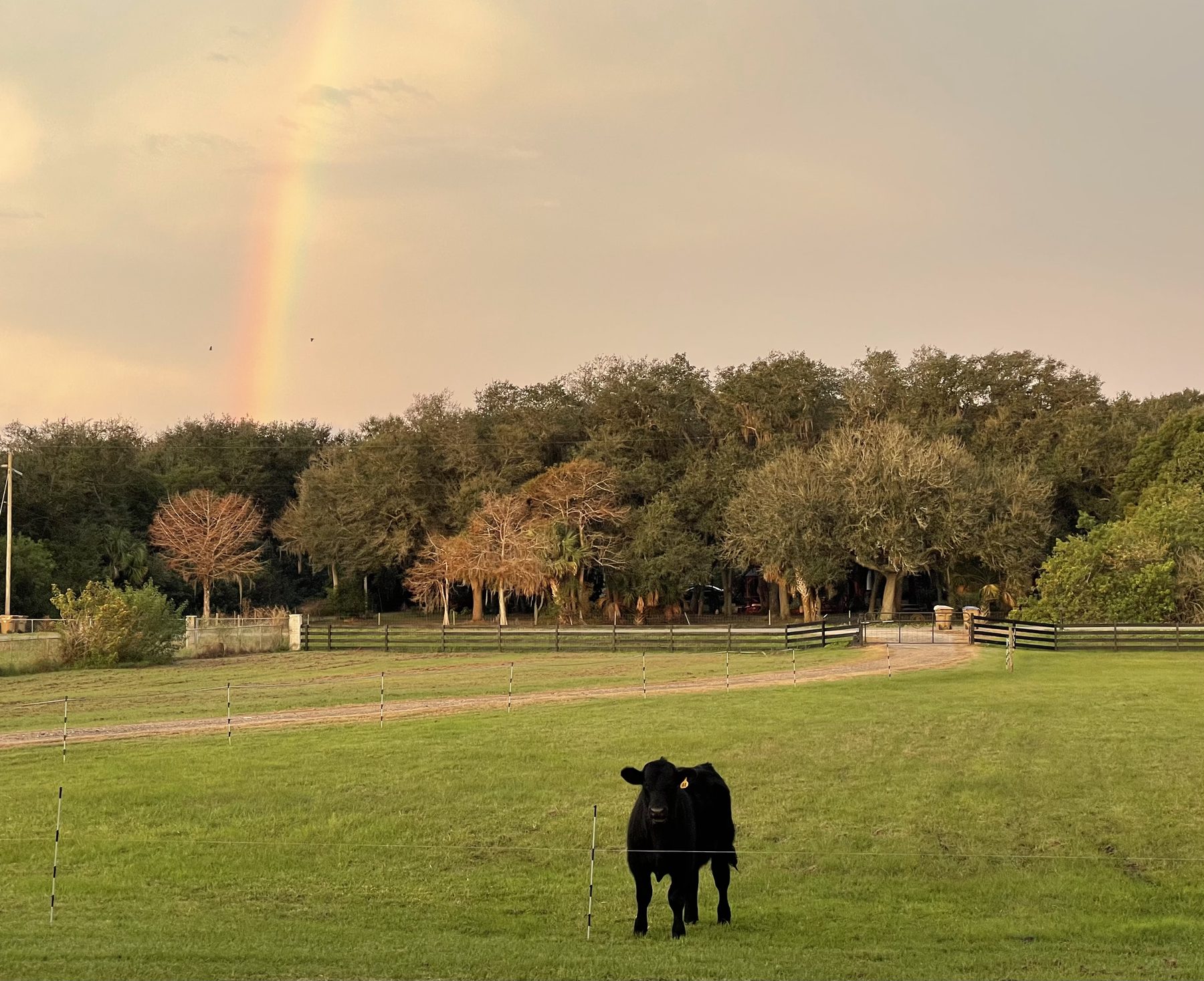
I have sold Central Florida real estate full time since 2001, including a lot of land. I also live on acreage in St. Cloud, with cattle, donkeys, chickens, and dogs. So I know land from both sides: as the Realtor, and as the guy fixing the fence.
Start With One Question: Why Do You Want Land?
When someone calls me and says, "I want a few acres," my first question is, "Can you tell me why?" The answer decides everything else.
- Animals or farming? Then fencing, water for the animals, and agricultural zoning come first.
- Building a home? Then the land has to be buildable, and you need a plan to pay for the build.
- Splitting it up to sell or build later? Then the zoning has to allow it. If it does not, you may need county approval, usually with a land use attorney. That can take a long time.
Once I know the why, I can tell you honestly if a piece of land will work, or if it will not.
High and Dry, or Wet?
This is the big one in Florida. I had a buyer who bought 5 acres to custom build. He agreed on a price per acre. Then the environmental study and survey came back: 35% of the land was wetlands.
To build on wetlands in Florida, you need a state permit. You have to avoid and shrink the damage first. Then you usually pay to restore or protect wetlands somewhere else, often by buying "mitigation credits." Disney did this on a huge scale. In 1991 it bought an 8,500-acre ranch near Kissimmee to make up for wetlands it would develop. That land is now the Disney Wilderness Preserve.
Here is how I read land before the survey ever comes back:
- Old orange groves usually sit on sandy soil. That is a good sign the land is high and dry.
- Cypress trees and thick, tall growth usually mean wet ground. If you see cypress, there is a good chance part of that land is wet.
Most buyers then say, "If 35% is wet, I will pay 35% less." That is not how it works. Wet land still has value. You can keep animals on it, ride ATVs on it, or park trucks and equipment on it. You just cannot build on it without permits. And if you ever do build on low ground, it may need to be demucked. In my experience, that runs about $40,000 to $60,000 per acre.
Protected Wildlife: Check Before You Clear
Wildlife can decide where your house goes. Check for these before you clear a single tree.
Gopher tortoises
Gopher tortoises are protected in Florida. Before you clear or build within 25 feet of a burrow that may be in use, you need a permit from the Florida Fish and Wildlife Conservation Commission to move them. Clear first and ask later, and you can face an investigation and a much more expensive permit.
Sand skinks
The sand skink is a small lizard that "swims" through sand. It is federally threatened, and it lives on the high, sandy ridges in Osceola County. On that kind of land, the U.S. Fish and Wildlife Service recommends a survey before you clear. If skinks are there, building can mean paying to protect habitat somewhere else. Survey season is limited to certain months, so plan ahead.
Bald eagle nests
Bald eagles are still protected by federal law. National guidelines call for a buffer between construction and a nest: about 330 feet, and up to 660 feet when the nest is in plain view. A nest in the wrong spot can take away the house site you planned.
Water, Septic, and Power: Who Pays to Bring Them In?
Out on land, you are usually not on city water and sewer. Most acreage has a private well and a septic system. If the land does not already have them, you pay to put them in.
Power is the same. Is there power at the road? Or does it need to be run out to the land? Every one of these is a check you write before you can move in. Get real numbers before you make an offer, not after.
The Family Compound Dream
I get this call often. "I want to buy cheap land and put a few trailers on it, one for me and one for each of my kids." I love the idea. Here is the truth.
There is no cheap land near town. In my experience, land near the population centers of Central Florida runs about $80,000 to $100,000 an acre. Farther out, it costs less, but you are farther from work, school, and stores.
The zoning may not allow it. In Osceola County's Agricultural Rural Estate zoning, the limit is about one home per 5 acres, with a guest home allowed only under county rules. Five trailers on five acres usually will not fly. Check with the county before you buy.
Every home needs water, septic, and power. Where is each family's water coming from? Who pays for the septic? If you do not have the cash, you are back to a loan.
It does work for some families. But it cannot be the plan everywhere, and going in blind is a recipe for disaster.
Paying for Land and a New Home
If you are paying cash, great. If you need a loan to build, you will likely need a construction-to-permanent loan. Only some lenders offer them. A licensed and insured builder gets paid in stages as the work gets done, and the loan turns into a regular mortgage when the home is finished.
The down payment, and whether your rate is locked at the start or set at the end, depend on the lender and the type of loan. Talk to a lender who does construction loans before you sign for the land. My new construction guide for St. Cloud covers what to ask about builder timelines.
Buying Land on a Lake
Vacant lakefront is beautiful, and it is where I have seen people get in real trouble. They buy the lot, then clear the shoreline for a beach or a dock without asking first. Florida protects plants along the water. In some cases you can clear a small path to the water by hand without a permit. Most other clearing needs a permit from the state wildlife agency, and native plants outside that path have to stay. Ask first. It costs nothing.
Sinkholes and Soil
Sinkholes are less common in Osceola County than along I-4 in Orange and Seminole Counties. But a few have been reported near St. Cloud. Before you build, a soil test from an engineer is cheap insurance.
What Living on Land Is Really Like
Moving from a subdivision to land is a different life. Here is what surprises people most:
- Fences everywhere. You will have them, and so will your neighbors, especially if anyone keeps large animals.
- Alligators. If there is a pond or a stream nearby, there are alligators. They were here before us. They are everywhere, and they want nothing to do with you.
- Snakes. Some are good for your land, and some are dangerous. Learn the difference.
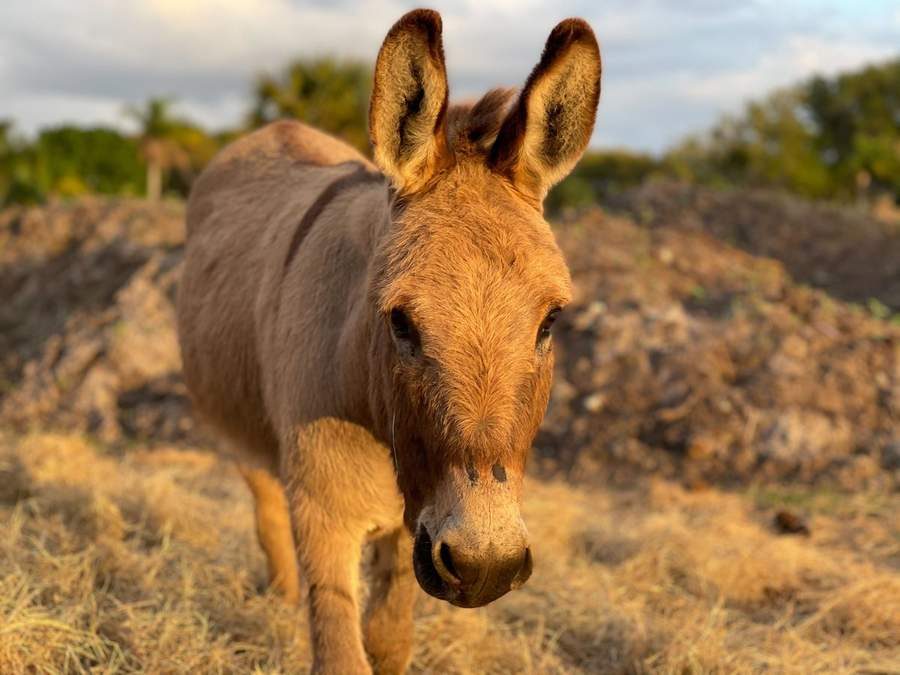
- Coyotes, foxes, and bobcats. A bobcat took two of my ducks. That is why you see donkeys out with cattle. Donkeys help protect the calves from coyotes.
- Birds of prey. Keep an eye on small dogs and cats. Big hawks and eagles see them as dinner.
Now the fun part. Florida has one of the densest groups of nesting bald eagles in the lower 48 states. If you love birds, you can spot 30 to 40 kinds from your porch in an hour or two. Even subdivisions get sandhill cranes.
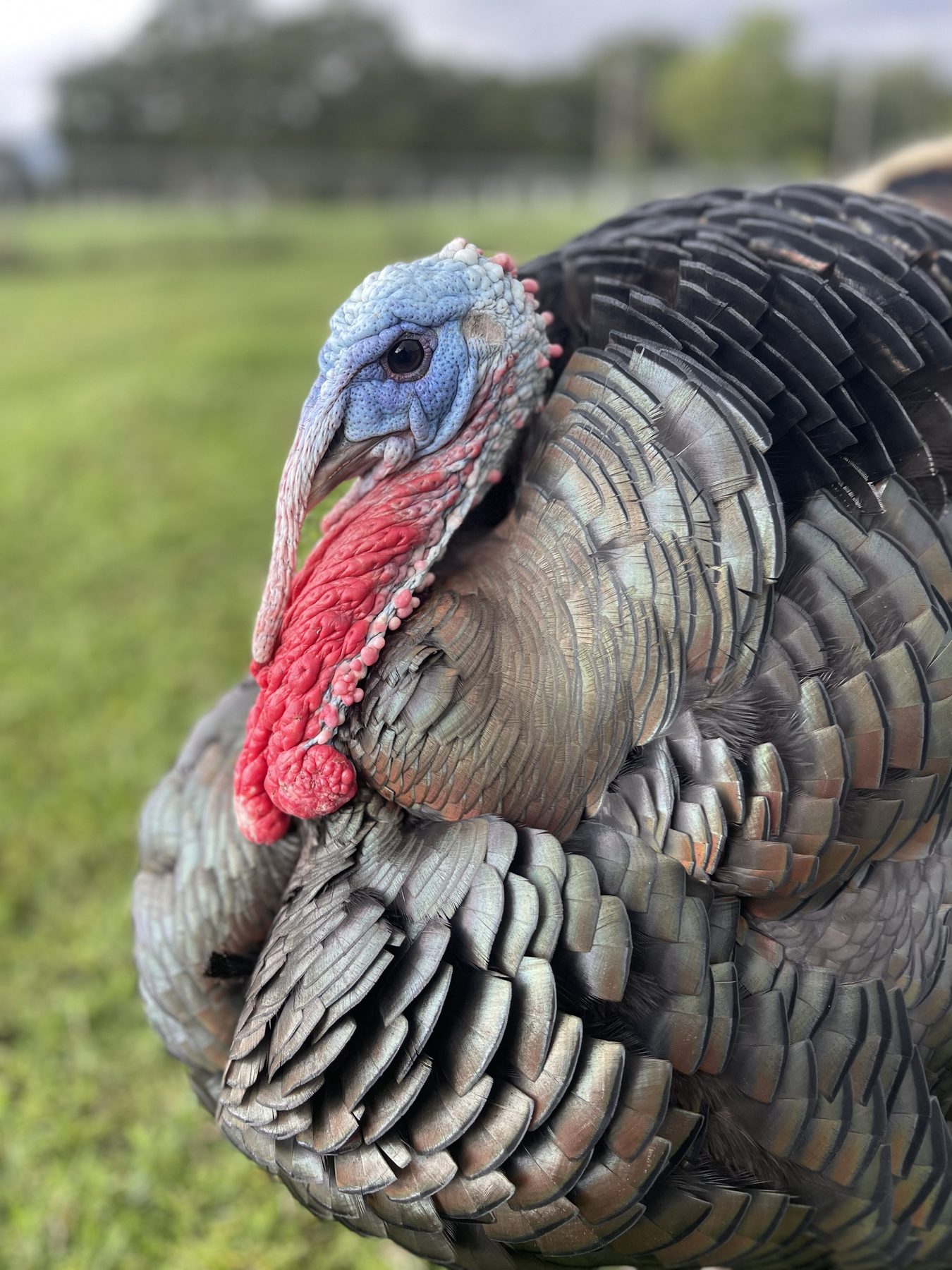
And then there is the Osceola wild turkey. It lives only on the Florida peninsula, nowhere else in the world. They walk through my yard every day, and they are gorgeous. Hunters pay thousands of dollars for a chance at one.
What I See From the Air
Flying is my passion, and it has taught me Central Florida from above. When I look at land for a client, here is what I watch for:
- Traffic and bottlenecks. Some areas are one way in and one way out. You may think living on the east side gets you ahead of traffic, when all of that traffic is squeezing into the same road you use.
- Where the roads are behind. Development is outrunning some roads. Others are about to catch up.
- What is coming. Where the next stores and services are going in. I can show a client an interchange being built that is about two years out, and explain why living here may beat living there once it opens.
- How communities are built. Some are planned around a town center, like Celebration. Others are bedroom communities where everyone drives to Orlando for work.
- Water access. Which land really has lake and boat access.
Online map photos can be years old. Things change fast here. Seeing it as it is today makes a real difference.
My Land Checklist Before You Make an Offer
- Know your why: animals, a home, or splitting it up.
- Check the zoning and how many homes it allows.
- Get a survey and an environmental study. How much is wet?
- Look for gopher tortoises, sand skink habitat, and eagle nests.
- Price out well, septic, and power if they are not there.
- Talk to a lender who does construction loans.
- On a lake, ask about the shoreline before you clear anything.
- Get a soil test before you build.
- Drive the roads at rush hour.
Pilots fly off a checklist so nothing gets missed. I buy land the same way. If you already own land and are thinking of selling, start with what your St. Cloud property is really worth. And if you are still choosing who to work with, here is how to choose a Realtor in St. Cloud.
Looking at land in St. Cloud or Osceola County?
Call or text me at (321) 320-7129, or book a 15-minute call. Tell me your why, and I will tell you what to check first.
Frequently Asked Questions
Can I build on wetlands in Florida?
Sometimes, but only with a state permit. You have to avoid and reduce the impact first. Then you usually pay to restore or protect wetlands elsewhere, often by buying mitigation credits. Expect added time and cost.
How can I tell if land is high and dry?
Old orange grove land usually sits on sandy soil and tends to be high and dry. Cypress trees and thick, tall growth usually point to wet ground. A survey and an environmental study will tell you for sure.
Do I need a permit to move gopher tortoises?
Yes. In Florida you need a permit from the Florida Fish and Wildlife Conservation Commission before clearing or building within 25 feet of a burrow that may be in use.
How close can I build to a bald eagle nest?
National guidelines call for about 330 feet between construction and a nest, and up to 660 feet when the nest is in plain view. Bald eagles are still protected by federal law.
Can I put more than one home on my land in Osceola County?
It depends on the zoning. In the county's Agricultural Rural Estate zoning, the limit is about one home per 5 acres, and a guest home is allowed only under county rules. Call Osceola County Planning before you buy.
How much does land cost in St. Cloud?
In my experience, land near the population centers runs about $80,000 to $100,000 an acre. Land farther out costs less. Wet land, access, utilities, and zoning all change the price.
Cliff Clover, REALTOR® | The Clover Group at eXp Realty | (321) 320-7129 | Serving Central Florida since 2001. This page is general information, not legal, environmental, or financial advice. Rules change. Confirm zoning, permits, and wildlife requirements with the county and state for any specific property.