The short answer: Your St. Cloud home is worth what a buyer will pay for it, measured against homes like yours that sold nearby in the last 90 days. A website guess is not that number. Zillow says its own estimate for homes that are not for sale misses by about 7% at the median. On a $475,000 home, that is about $33,000, and half of homes miss by more.
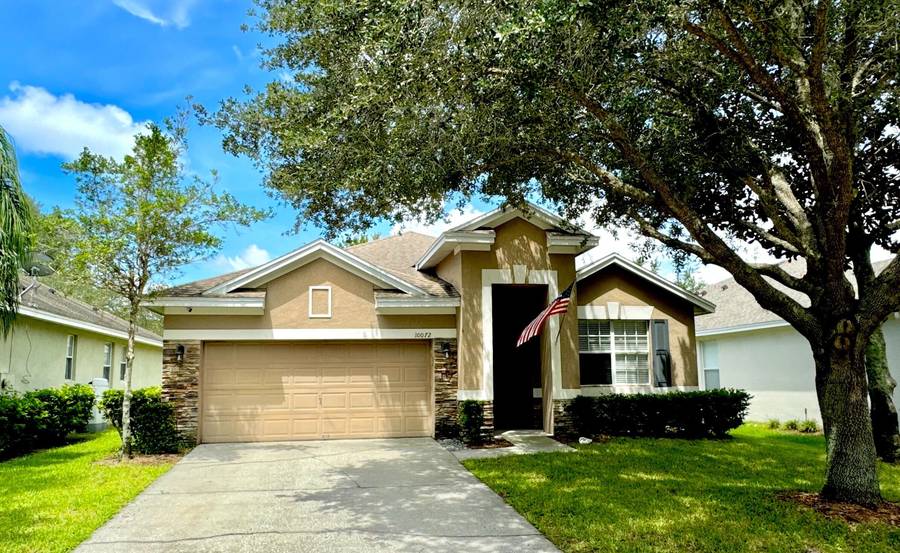
I have priced and sold homes in Central Florida full time since 2001, and I live in St. Cloud. Here is what I look at that a computer cannot see.
Even Zillow's CEO Sold Below His Zestimate
In 2016, Zillow's own CEO sold his Seattle home for $1.05 million. The next day, Zillow's estimate for that same home was about $1.75 million. The real sale price was 40% below the estimate.
I see the same thing here, just with smaller numbers. A seller near downtown St. Cloud called me with a Zillow value of $525,000 in their head. When I pulled the real sales and walked the house, the true value was closer to $475,000. That $50,000 gap sets people up for a hard fall if nobody tells them the truth up front.
I have also watched a home's online value drop right after it goes on the market, below the price we just listed it for. Buyers see that number too.
What a Computer Can't See About Your Home
An online estimate is a general guess about your area. It is not a look at your house. Here is what moves the price that a computer misses.
Comparing like to like
A fair price compares your home to homes like it. One story or two. Acreage or a neighborhood lot. Pool or no pool. Mix those up and the number is wrong before you start.
Where your home sits
- On a quiet cul-de-sac, or on a busy main road
- Backing up to conservation land, a pond, or a lake
- In an area that floods, or high and dry
- The zoning, and what is across the street: woods, homes, apartments, or a shopping center
Wrong facts online
Public records and even past listings often have the wrong square footage or bedroom count. The heated space may be listed wrong, or a room labeled wrong. When a seller tells me what Zillow says, my first questions are: How many bedrooms? What is the real square footage? What have you improved? I share a real example in why houses aren't selling in Florida.
What you have done to the home
A new kitchen, a full remodel, or fresh paint can add real value. A computer does not know you did them.
The model home trap
If you bought the builder's model home, in my experience you likely paid $50,000 to $75,000 more than a standard home in that community, because of all the upgrades. That does not mean a buyer will pay you back for all of it. Model homes are often worth less than their owners expect.
The Funny Math in Sold Prices
"My neighbor sold for $500,000." Maybe. Look closer. If he gave the buyer $40,000 in closing costs or other concessions, his real price was closer to $460,000. That is the number an appraiser will use.
That is why I look at every sale with my own eyes. Is it truly like your home? What did the seller really net? What would an appraiser do with it? Not what the seller hopes, and not what a website says.
Why St. Cloud Homes Are Harder to Price
Builders set their own comps
Builders control their own prices. They have their own lenders, and they create their own sales. So when someone says "homes here sell for $500,000," ask which homes. If most of the recent sales are brand new builder homes, they are not a fair match for a resale. They also come with CDD and HOA fees that change what a buyer can afford. I explain those in HOA vs. CDD fees.
Older homes downtown
Many homes near downtown St. Cloud were built in the early 1900s. They have charm and great curb appeal. Most are wood frame on a crawl space, and the floors may not be level. Many were never updated to be energy efficient. Termite damage is common. Homes built before 1978 can have lead paint under newer paint, and older homes can have asbestos. If you know about these things, you have to disclose them. Each one changes the value.
Homes built in the 1980s
Many homes from this era around Orlando and Kissimmee have polybutylene pipes. Many insurance companies will not cover a home with them, so the buyer cannot close. In my experience, a full replumb runs about $6,000 to $8,000. Older homes can also have:
- Iron drain pipes that have rusted or broken over time
- Old cloth-covered wiring that needs to be replaced
- Federal Pacific electrical panels, which many insurers want replaced
Plumbing, wiring, windows, and energy efficiency all come into the price. The real question is how much work the next owner will have to do.
Acreage and land
Land has its own list: how much is high and dry versus wet, well and septic or city water and sewer, and whether power is already on the property. I cover land separately because it is a different kind of sale.
"That's Your Hawaii": Improvements That Don't Pay You Back
Some sellers spend $10,000 getting ready to sell and add $8,000 in value. That is a $2,000 loss. Others pick colors or finishes that the next buyer will want to change, and the buyer takes that cost off the price.
Then there is the $60,000 pool upgrade. I ask my clients, "Have you ever been to Hawaii?" Most say yes. "Did you have a good time?" Yes. "Did you ever get any money back from that trip?" No.
Some improvements are your Hawaii. You enjoyed them, and that was worth it. Just don't expect a buyer to pay you back for them.
This is a hard conversation. It is your home and your memories, and someone you love may have picked that tile. But your home has to make sense to the next owner. In a buyer's market, anything that looks dated, dark, or too personal is a cost the buyer will want you to cover.
My advice: before you spend money to get ready to sell, talk to me first. We will decide together what pays you back and what does not. I cover getting a home ready in my guide to selling your home in Central Florida.
How I Price Your Home
- A phone call first. You tell me about your home.
- Your payoff. If you have a mortgage, I find out the payoff before I visit. That way you know whether you will walk away with money, and how much.
- The facts before we meet. I send you the comps for your area (actives, pendings, solds, and expireds), what an appraiser will look at, and my 89-step marketing plan. You read it on your own time.
- A short visit. You walk me through your home in about 15 to 20 minutes. I take notes and photos.
- The number, at your table. We go over the comps together. I give you a best-case and a worst-case price, not one number to make you feel good. We decide together if we are a good fit.
My price opinion is free, with no obligation. It either makes sense for you or it doesn't.
If you decide to list, we plan the rest together: a pre-listing inspection, professional photos and video, and how showings will work. I explain all of that in my guide to selling a home in St. Cloud.
Want the real number for your St. Cloud home?
Call or text (321) 320-7129, or book a short call. I will send you the sales in your area first.
Frequently Asked Questions
How accurate is a Zestimate?
Zillow says its estimate for homes that are not for sale misses by about 7% at the median, so half of homes miss by more. On a $475,000 home, 7% is about $33,000. Use it as a starting point, never as your price.
How do I find out what my St. Cloud home is worth?
Look at homes like yours that sold nearby in the last 90 days. Compare one story to one story, pool to pool, acreage to acreage. Then adjust for condition, location, and any concessions the sellers paid. A local Realtor can pull these sales for you for free.
Do new construction sales count as comps for my resale home?
Be careful with them. Builders set their own prices and often add incentives, and their homes usually come with CDD or HOA fees. Resale homes should be compared mostly to other resale homes.
Is my model home worth what I paid for it?
Often not. Model homes carry a lot of upgrades, and buyers rarely pay back the full cost. Expect the value to be closer to similar homes in the community than to your purchase price.
Does Cliff charge for a price opinion?
No. It is free, with no obligation to list.
Cliff Clover, REALTOR® | The Clover Group at eXp Realty | (321) 320-7129 | Serving Central Florida since 2001. This page is general information, not legal, tax, financial, or appraisal advice. Values depend on the specific property and market at the time.